Download the
Paisabazaar app Today!
Paisabazaar app Today!
Get instant access to loans, credit cards, and financial tools — all in one place

Win Assured Cashback

Our Advisors are available 7 days a week, 9:30 am - 6:30 pm to assist you with the best offers or help resolve any queries.


Get instant access to loans, credit cards, and financial tools — all in one place

Scan to download on


 Personal Loan
 Business Loan
 Home Loan
 Other Loans


Our Advisors are available 7 days a week, 9:30 am - 6:30 pm to assist you with the best offers or help resolve any queries.

With a wide range of options available in the market, choosing the right credit card can be a difficult task. The best credit cards in India are designed to offer an array of benefits, including cashback, rewards and other deals, that are tailored to varied lifestyles and needs ranging from travel to shopping. Hence, it is important to compare credit cards from different issuers and apply for a credit card that helps you save on shopping, travel, dining and other spending categories, as per your preferences.
100+ Credit Cards from Top Banks
Compare Best Offers
Completely Digital Process


Given below are some of the top credit cards in India spanning across different categories, like cashback, online shopping, travel, fuel, rewards, and co-branded benefits, that you can choose from, depending on your requirements:
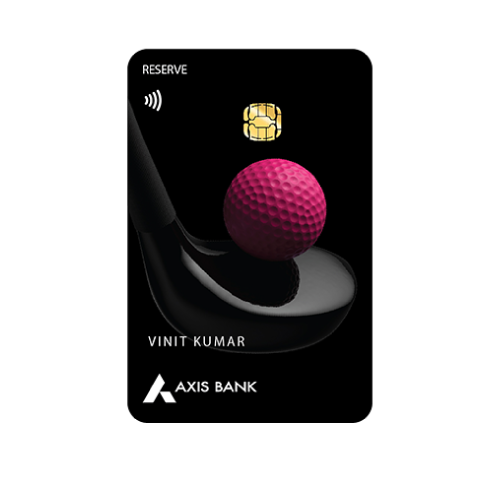
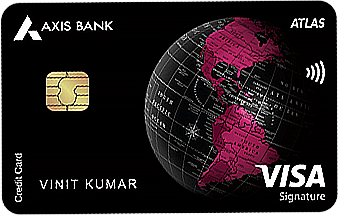
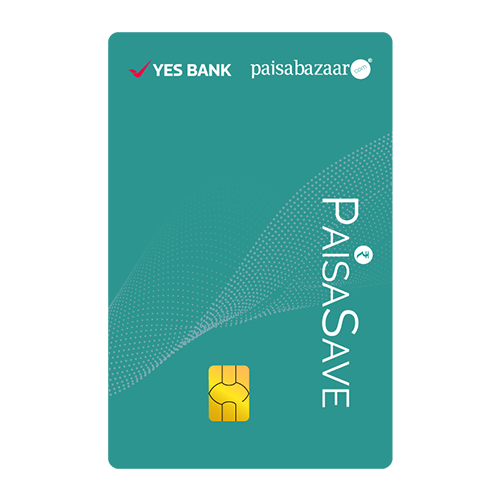
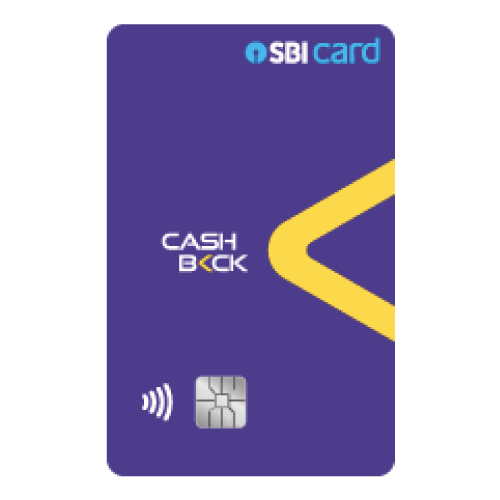
HDFC Diners Club Black Metal Edition Credit Card Joining fee: ₹10000 Annual/Renewal Fee: ₹10000 Unlimited airport lounge access for primary and add-on members High base rewards rate of 3.33% with 5 reward points per Rs. 150 spent Product Details Axis Bank Reserve Credit Card Joining fee: ₹50000 Annual/Renewal Fee: ₹50000 Unlimited domestic & international lounge visits via Priority Pass Low forex mark-up fee of 1.5% with 2X reward points on international spends Product Details Axis Atlas Credit Card Joining fee: ₹5000 Annual/Renewal Fee: ₹5000 2.5X EDGE Miles on Travel spends Up to 12 international and 18 domestic lounge access every year Product Details HDFC Regalia Gold Credit Card Joining fee: ₹2500 Annual/Renewal Fee: ₹2500 5X reward points on Nykaa, Myntra, Marks & Spencer and Reliance Digital 5 reward points per Rs. 200 across all retail spends Product Details YES BANK PaisaSave Credit Card (FREE for Limited Time) Joining fee: ₹0 Annual/Renewal Fee: ₹0 6% cashback on travel and dining spends Unlimited 1% cashback on all other spends, including UPI Product Details Cashback SBI Card Joining fee: ₹999 Annual/Renewal Fee: ₹999 5% cashback on all online spends 1% cashback across all offline spends Product Details American Express® Platinum Card Joining fee: ₹66000 Annual/Renewal Fee: ₹66000 Vouchers of up to Rs. 60,000 from Taj, Reliance or Postcard Hotels on spending Rs. 50,000 in first 2 months Complimentary access to multiple lounge access programs Product Details Axis Bank SELECT Credit Card Joining fee: ₹3000 Annual/Renewal Fee: ₹3000 Up to 20 EDGE Reward Points per Rs. 200 spent 10,000 EDGE Reward Points worth Rs. 2,000 as welcome benefit Product Details Tata Neu Plus HDFC Credit Card Joining fee: ₹0 Annual/Renewal Fee: ₹499 Up to 7% value back on Tata Neu spends 4 domestic lounge access per year Product Details IndianOil RBL Bank Credit Card Joining fee: ₹500 Annual/Renewal Fee: ₹500 Up to 6% savings on IndianOil fuel purchases 1,000 Fuel Points as welcome benefit Product Details

Know More
Know More
Know More

Know More
Know More
Know More
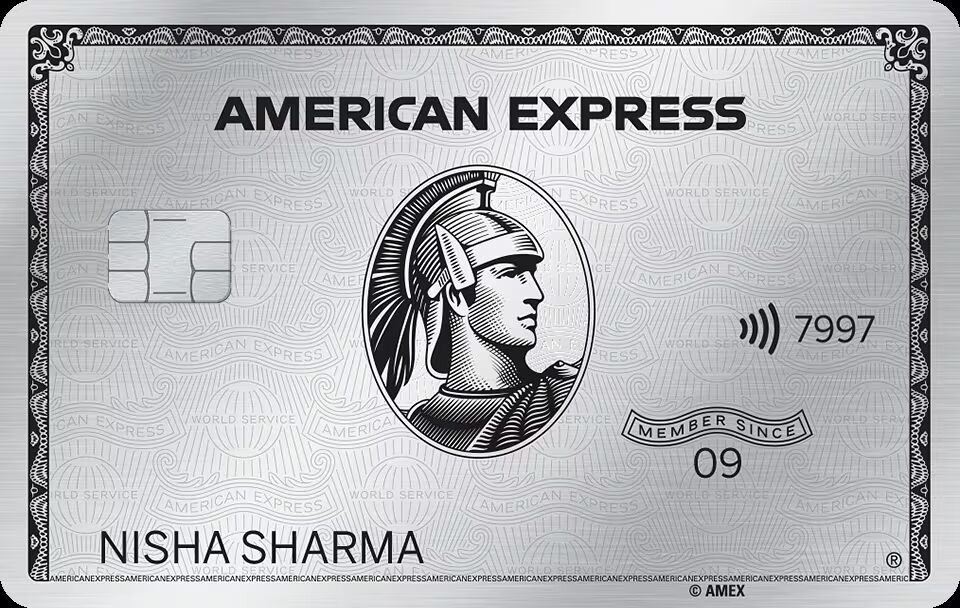
Know More
Know More
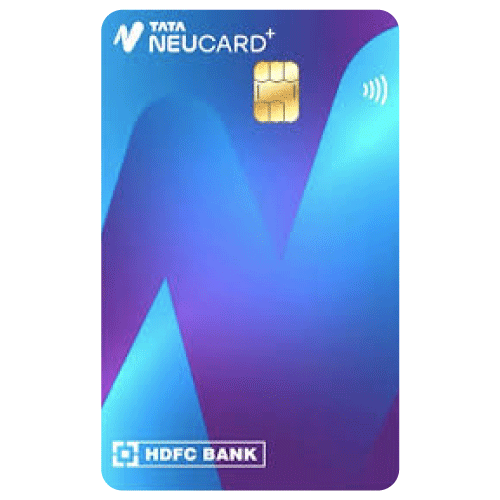
Know More
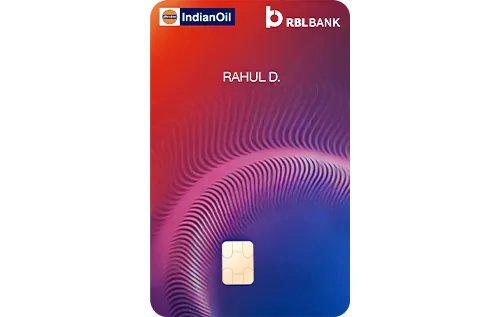
Know More
Note: HDFC Infinia is not included in the above list as it is an invite-only card.
From the above card list, check your eligibility and apply for the credit card of choice. To learn more about the top credit cards in detail, check out the list of 25 best credit cards in India.
Also, this top 10 credit card list above does not include premium cards that usually come with stringent eligibility norms, charge high annual fees, and offer luxury benefits to the users. If you want to apply for a credit card with luxury benefits, see the list of the best super-premium credit cards in India.
You can use your credit card for bill payments and to make online and offline purchases. Credit cards allow cardholders to borrow up to a predefined credit limit to pay for goods and services. The issuer decides the credit limit based on the applicant’s income, credit score, existing debt, and several other internal policies. With every payment, the amount is deducted from the assigned credit limit. The card issuer sends you a credit card statement containing all your monthly card transactions, previous and current balance, minimum payment due and the bill payment due date at the end of the billing cycle which is around a month long.
When you pay your bills, the amount is credited back to your card, thus replenishing your credit limit. As long as you clear your total dues on time by the due date and do not withdraw cash, no interest charges are applicable on credit card balances.
Credit cards come with varied features and benefits as per the type of the card. However, there are a few features that almost every credit card carries. Some of these pros of credit cards are given below:
Paisabazaar offers 60+ credit cards from leading card issuers of India, as shown below:
Please note that some credit cards may not be available on Paisabazaar.com. To apply for such credit cards, you can visit the issuer’s website or the nearest branch.
Most credit cards are focused on one or two main categories, which define the type of credit card. Some of the most common types of credit cards in India are listed below. You can click on the respective types to see the list of the best credit cards under the respective categories.
Travel credit cards are designed to help users save on their travel spends by offering air miles, free flights, discounted hotel stays, airport lounge access, travel insurance, etc. Some of the popular travel credit cards include:
These cards focus on providing savings on your online and offline shopping spends through reward points, cashback, discounts and even co-branded benefits. Given below are some of the top credit cards for shopping:
There are a few credit cards which don’t charge any joining or annual fees, some of which are listed below:
Some cards offer a percentage of the amount spent back to the user as direct cashback instead of reward points. Some of the leading cashback credit cards include:
These cards help the cardholders to save by offering extra reward points on their fuel spends. These cards are usually co-branded with fuel brands, like Indian Oil, HPCL, BPCL, etc. Given below are some of the best fuel credit cards that you can choose from:
These cards help you to save on your dining and other food-related spends through reward points, discounts, cashback, co-branded benefits and free memberships. Some of the top credit cards for dining are given below:
Before you select and apply for a credit card, it is important to ensure that the card aligns with your spending habits and you can maximise your savings by availing its features to the best of their capacity. Here are a few tips you can follow during the process of picking the best credit card for you:
The eligibility criteria differ not only from one issuer to another but also for different types of credit cards offered by the same issuer. While the basic requirements, like age, city of residence, regular source of income, credit score, etc. are likely to remain the same across card variants, the major differentiator is the minimum income requirement. Card providers set the income eligibility criteria for each card depending on its type, benefits, and annual fee.
Some of the key documents required to apply for a credit card are as follows:
| Document Type | Details |
| Identity & Signature Proof | Passport, PAN card, Driving License, Voter ID card, Aadhaar card, Employee identity card in case of government employees (any 1) |
| Address Proof | Bank statement, Rent agreement, Voter ID card, Ration card, Passport, Driving License, telephone/ electricity/ water/ Property tax bill (any 1) |
| Age Proof | Voter ID card, Secondary School certificate (class 10), Birth certificate, Passport, Aadhaar card, Pension payment order or Receipt of LIC policy (any 1) |
| Income proof | For Salaried: Latest 3 months’ salary slips, Salary account bank statement of last 6 months For Self-employed: Latest IT Returns with computation of income and other certified financial documents, along with business continuity proof |
Note: If you receive a pre-approved card offer from an issuer, you may not have to submit any document proof, especially if you already have an existing banking relationship with the issuer.
Credit card providers charge certain fees to the cardholders which can vary based on the card variant they own. Some of these charges, like joining or annual fees are generally mandatory to be paid to continue your card services, while others like finance charges, cash withdrawal fees, and late payment charges are applicable depending upon your card usage. Refer below to learn more about the major fees and charges charged by the leading credit card issuers:
| Do’s |
Don’ts |
| Choose a credit card as per your spending behaviour | Do not apply for multiple credit cards at a time as it negatively impacts your credit history |
| Pay your bills on time & in full to save yourself from high interest charges | Do not make late payments as it incurs high interest charges |
| Check your credit card statement regularly to identify any fraudulent transactions | Do not exhaust your credit limit frequently as it can portray you as credit hungry and affect your credit score negatively |
| Keep an eye on your credit card reward points balance to maximize your benefits by redeeming them against the best options | Do not withdraw cash using your credit card to avoid high interest charges |
Though credit cards and debit cards may look the same, the way they function is completely different. The table below shows some of the key differences between debit cards and credit cards.
| Particulars | Credit Card | Debit Card |
| Availability of Funds | You borrow from the credit line assigned to you | The amount is deducted from your savings or current account |
| Spending Limits | You can spend within your pre-fixed credit limit | You can spend only up to the balance available in your savings or current account |
| Key Benefit | Short-term loan as per your credibility | Saves you from a debt trap as you can spend only up to the funds available in your account |
| Important Fee & Charges | Joining fee, annual fee, late payment fee, interest charges, etc. | Cash withdrawal fee, annual fee (in some cases), etc. |
| Interest | Interest charged in case of non-payment of the total amount due | No interest charges are applicable |
| Rewards and cashback | Extensive rewards/cashback in comparison to debit cards (varied from card to card) | Minor rewards and cashback benefits |
You can add RuPay credit cards as a payment method for UPI transactions made via Google Pay. This allows you to make purchases and transfers using your credit card even if your savings account that is linked to Google Pay does not have enough balance. Currently, cards of no other credit card network are allowed to carry out UPI transactions. However, you can link Visa and Mastercard credit cards with Google Pay to make non-UPI online payments.
To ensure the secured usage of your credit card, it is advisable to not share your credit card details like the card number, expiry date, CVV, PIN, or OTPs with anyone. Moreover, the users should also track their card transactions and report any suspicious or fraudulent transactions immediately or in case they lose their card somewhere.
When you purchase on EMI, you can defer the purchase over a fixed tenure of 3 months or more. You can opt to convert your purchase into EMIs either while making the transaction or later before the repayment due date. A processing fee and an interest rate is usually charged on EMIs which is lower than the late payment charges that you might incur on missing a payment. This interest is reduced according to the remaining balance every month. You can even opt for foreclosure in case of credit card EMIs but it will also incur additional charges.
Many credit cards offer complimentary movie tickets or discounts on movie ticket bookings. Cards like RBL Play, and Kotak PVR provide you with free movie tickets based on your monthly spends, while SBI Card ELITE comes with free movie tickets worth up to Rs. 6,000 per year (Rs. 500 per month) without having to meet any spending milestones.
A credit card statement is a summary of all the transactions you have made using your credit card during a billing cycle, including your purchases, debit and credit payments, and other charges, as applicable. It also contains other credit account details, like the credit limit, total dues, payment due date, minimum due amount and other such information depending on your credit card usage. This statement is either mailed to the account holder or can be downloaded by logging into your account.
Some of the most popular banks offering credit cards in India are HDFC, SBI Card, ICICI, Amex, Axis, Citibank, Standard Chartered Bank, and Kotak Mahindra Bank. However, the best credit card for you would be the one that matches your needs. To make your search easier, we have listed some of the best and most popular cards in India above.
You can Apply for a credit card directly through the credit card issuer’s website or branch, or by applying for online third-party websites like Paisabazaar.com. Here, you can go for a credit card online apply based on card comparison, and find suitable options as per your eligibility.
Credit cards work in the same way for everyone. By using credit cards, beginners can build their credit history & score, get a better understanding of how credit cards work, how they can maximize their savings by using the card features efficiently, and how repayment, and credit card fees and charges function. Beginners can also get an idea of their spending habits and analyze which type or variant of credit card would benefit them the most and hence can even apply for an upgrade later.
The 14 to 16-digit number present on the credit card is called the credit card number. It is used to identify the credit card network, issuer, and cardholder.
The card provider charges a card annual fee every year in the same month cycle as the joining month of the first year. For instance, if you activated your credit card in April this year, then you will be charged with the card fee every year in the monthly statement of April.
A secured card is one that is issued against an asset say Fixed Deposit. It can be a good beginning for those who are not eligible to get a regular (unsecured) card.
Paisabazaar Step Up is the best-secured card option for those who wish to build or improve their credit score but are not eligible for an unsecured credit card. The card has been launched in collaboration with SBM Bank (India) Pvt. Ltd. Users can choose from an FD of as low as Rs. 2,000 and up to Rs. 60,000 and avail a credit limit up to 100% of the FD amount. Along with using the features of this card, the deposit will earn interest at the rate of 6.40%.
Yes, you can convert your big-ticket purchases into easy EMIs as per the applicable EMI options available with your card. The interest rate on EMIs varies from lender to lender, thus it is better to check the interest rate beforehand. You can use the credit card EMI calculator to check the same. Also, some lenders in collaboration with big brands and online stores offer discounted or no-interest EMIs for their customers. You can check EMI options on your card using your net banking/mobile app or call bank customer care for more information.
No. There are some credit cards with the best offers in India that are either free for a lifetime or charge a minimal annual fee. Examples of the low annual fee credit cards include HDFC Moneyback, HSBC Platinum & ICICI Amazon Pay Credit Card. You should compare & apply for credit cards based on how the benefits are aligned with the fees and charges, to make the right choice.
Almost all credit cards in India offer reward points with every purchase. However, some credit cards offer higher reward points with certain purchases and they have multiple redemption options. Click to read about the best rewards credit cards in India.
Add-on credit cards are issued under a primary card and all transactions are directed to a single account for the payment of dues. It is useful for students who are living away from their parents and also for those who cannot have a card of their own.
Mostly, the credit limit on an add-on card is the same as that of the primary card, but according to certain bank conditions, the credit limit for supplementary cards is set lower than that of the primary card. If you have been issued more than one add-on card, the sub-limit decided will be distributed equally among the add-on cards to match the total limit of the primary card. This sub-limit will also apply to any ATM withdrawals. The terms and conditions related to add-on cards may vary from one bank to another.
This is the ratio of your card usage to the total credit limit on your card. For example, if the total credit limit is Rs. 1 Lakh and you have used Rs. 30,000 out of it; your credit utilization ratio will be 30%. You should always try to maintain the ideal credit utilization ratio of 30% on all your cards.
Banks and NBFCs do not allow you to transfer money from your credit card to your bank account. Some mobile apps allow you to do this and charge a small percentage of the transferred amount as a fee. However, it is not a recommended way to get access to cash.
The interest rate is applied on any balance you owe on your card. Credit card interest rates are the highest among various debt instruments available to the customer. In most cases, interest rates start at 18% and may go up to 45% annually based on various factors such as the type of card, card issuer policies and various other factors.
You can check and compare credit cards in India based on interest rates charged by different lenders here.
Whenever you spend in currency other than the Indian Rupee, almost every bank charges a foreign currency mark-up fee which ranges from 1.75% to 3.5% and varies from card to card. To know more about foreign exchange mark-up fees on credit cards, click here.
Credit Card cash withdrawal is considered to be one of the costliest forms of credit available in the market and is advised to be used only as a last resort. The interest charged on cash withdrawals ranges from 2.5% to 3.5% per month and 23% to 42% annually. Moreover, unlike regular transactions, for cash withdrawals, there’s no interest-free period; charges start accruing from the day of the transaction till it’s paid in full.
Yes, cash withdrawal interest is different from a cash withdrawal fee as this fee is charged every time a cardholder withdraws cash and it ranges from 2.5% to 3% of the transaction amount.
Yes, this facility is available on select cards. You can convert the accumulated points into statement credit in a pre-decided ratio. For instance, SBI Elite cardholders can convert their reward points into cash to pay their dues. For this card 4 reward points equal to Rs. 1.
The minimum amount due on your card is the minimum amount you need to pay on or before the due date. It is a small portion of the outstanding every month. The minimum amount due is usually 5% of the total outstanding balance on your credit card but can be higher if:
There are various ways to pay your bills such as net banking, mobile banking, bill desk, NEFT, cheque, etc. Alternately, you can also walk into the nearest bank branch and make an upfront payment over the counter. However, cash payment attracts a certain fee.
In case you miss or forget to pay your bill, you will have to pay a late payment fee and additional interest charges. Late payment fee is usually a fixed charge based on the total outstanding amount on your card and will only be charged once in a billing cycle, whereas interest (also known as finance charges) is calculated as a percentage of the total due for as long as your dues remain unpaid. Also, when you have an overdue balance on your card, the interest-free period becomes invalid. This means your new transactions will start incurring interest charges from the first day. Since credit card interest rates are the highest among all credit products, even a small overdue can lead to a debt spiral and cause damage to your credit score.
The credit limit is the maximum amount of money you can spend using your credit card. This limit is decided by the bank based on various factors, such as credit score, credit history, repayment history, and more. It is advisable not to frequently max out the credit limit as it can harm your credit score.
In order to increase your credit limit, you can contact your card issuer. To do so, you can use net banking and raise a request to increase your credit limit. Besides this, you can also contact the card issuer through the customer care number and ask the representative to send a request for a credit limit increase.
Yes, you can use credit cards for domestic as well as international transactions, based on the card issuer’s terms and conditions. However, the card issuers levy a forex markup fee on overseas transactions, which is typically 3.5% of the transaction amount.
Revolving credit is a line of credit that allows you to withdraw money, use it as per your needs, repay it, and then withdraw it again when you need it. However, you can only access the money as per your assigned credit limit.
Though it is not necessary to use your credit card every single month without skipping, it is still advised to use your card regularly to build your credit score. Even if you use your credit card to make small purchases, having a regular credit record with the timely payment of your monthly dues in full without any late payments can positively impact your credit profile and boost your credit score. A good credit score further improves your chances of approval as well as assures more favorable terms whenever you apply for a credit card or loan in the future.
Once you apply for a credit card and get it issued, you must adhere to certain precautions and rules. Some of these credit card usage rules include not sharing your card details with anyone, not maxing out your credit card regularly as it can make you seem credit hungry, and avoiding overspending as that would make it difficult for you to repay your card dues later. It is also advised to pay your credit card bill in full by the due date to avoid accruing additional charges, like late payment fees and interest charges, and to maintain a good credit score. You should also plan your credit card spends in a way that can help you get maximum value back without exceeding your spending capacity.
Credit card issuers offer the option to convert your credit card bills into EMIs, but it is generally accompanied by interest charges that you have to pay as part of your monthly installments. You can convert your credit card outstanding amount into EMIs if you cannot afford to clear the dues on time. This would help you decrease the financial strain by breaking down your credit card bill into smaller instalments which you can pay off over the EMI tenure of your choice. You can also opt for EMI conversion in case you need to make a big-ticket purchase for which you cannot pay the entire amount upfront. But opting for the EMI option on a regular basis can also drain your savings due to high interest charges, hence you must plan your purchases wisely.
The criteria and time frame for credit card application approval can vary depending on the card issuer’s internal policies, your credit profile, and the type of card you have applied for. Once you apply for the credit card, it usually takes around 7 to 10 days to process your application. This time period may be extended in case there is any discrepancy in your documentation. Most of the time, the card issuers provide timely updates on the approval progress. You can also get an application status update by contacting the issuer online or offline.
You can close your credit card account online as well as offline. For offline closure, you can either visit your account branch and submit your request, write an application to the card issuer, or call the respective credit card customer care number. You can also use net banking or mobile banking services, or send an email to submit the card closure request. However, before applying for the same, you must ensure that all the outstanding credit card dues are paid off in full.
Suggested: What happens when you default on credit card payments?
| YES Bank Revises its Credit Card Features – 02 December 2024 |
|---|
| YES Bank has made certain updates regarding the rewards subscription plans, lounge access benefits and YES Rewardz points redemption capping for its credit card users. The bank has now limited the credit card reward points earnings via subscription plans and the credit cardholders can now redeem their earned reward points for only up to 70% of the invoice value of the flight or hotel bookings every month. Moreover, from 1st Apr 2025 onwards, YES bank is going to apply spend-based conditions on the complimentary airport lounge access according to which the cardholders must reach the quarterly spending threshold to be eligible for this benefit. |
| NPCI Launches Spend-based Lounge Access Policy for RuPay Credit Cards – 26 November 2024 |
| NPCI has introduced a spend-based lounge access policy for RuPay credit cards, effective January 1, 2025. RuPay credit cardholders can access an exclusive lounge at Terminal T3 of IGI Airport, New Delhi, offering amenities like food, drinks, entertainment, and more. Depending on their RuPay card variant (Select, Platinum, or higher) and quarterly spends, cardholders can earn 2 to unlimited complimentary lounge visits every quarter. |
| NPCI Asks Banks to Bring Parity of Rewards Benefits for RuPay Credit Cards – 7 August 2024 |
| NPCI has asked banks to bring uniformity in the rewards and benefits offered on cards, irrespective of their network providers, from 1st September 2024 onwards. This would ensure that the RuPay credit cards would no longer offer a lower rewards rate or limited benefits. RuPay cardholders will now be able to avail the same card benefits as their Visa or Mastercard counterparts on all their card transactions, including UPI payments. |
| Revision of Charges on HDFC Credit Cards & HDFC PayZapp – 5 July 2024 |
| HDFC Bank has updated its fees and charges for credit cardholders effective August 1, 2024. Rent, Fuel, Utility and Education payments made through third-party apps will incur a 1% fee. In addition to this, a charge of 1.5% will apply on loading money to the PayZapp wallet using credit cards. However, the fee for transferring money from the PayZapp wallet to a bank account has been reduced from 2.5% to 1%. |
| IndusInd Bank and Poonawalla Fincorp Ltd. Launch a Lifetime Free Co-branded RuPay Credit Card – 29 May 2024 |
| IndusInd Bank has introduced a lifetime free credit card in partnership with Poonawalla Fincorp Ltd. called the Poonawalla Fincorp IndusInd Bank eLITE RuPay Credit Card. This lifetime-free entry-level card offers accelerated reward earning on e-commerce transactions and provides a milestone benefit of 3,000 bonus reward points in a year. The accumulated reward points can be later redeemed for air miles, vouchers, merchandise or statement credit. In addition to the rewards program, cardholders can also avail the buy one get one movie offer on BookMyShow and a 1% fuel surcharge waiver. Individuals with monthly income of Rs. 20,000 or more will be eligible for this credit card. |
| RuPay Credit Card Users Can Now Avail EMI Facility and Manage Bills and Credit Limits via UPI Apps- 03 April 2024 |
| The National Payments Corporation of India (NPCI) has now allowed the RuPay credit card users to avail the Equated Monthly Instalments (EMIs) facility directly via the UPI app to which they have linked their credit card accounts. Through this update, you can get the flexibility to convert your past as well as current UPI purchases made via the RuPay credit account into EMIs. The UPI app would, in turn, also display any ongoing EMIs to help you keep track of such payments. In addition to this, RuPay credit cardholders would also be able to manage their credit card accounts using UPI apps and carry out functions, like card bill payments and apply for credit limit enhancement. The card issuers are expected to enable these features by 31 May 2024. |
Devaluation on IDFC FIRST Wealth Credit Card effective 1 May, 2024- 1st April 2024 |
| IDFC FIRST Bank has revised some of the features of its Wealth Credit Card. Incremental 10X reward points, which were previously available on monthly transactions above Rs. 30,000 will now be offered on transactions above Rs. 20,000. Online transactions that previously earned 6X reward points will now earn 3X rewards. Reward points on education, wallet load, and government services will also earn 3X points and will not be considered for the 10x threshold calculation. Cardholders will continue to get the BuyOneGetOne offer for 2 BookMyShow movie tickets a month but the ticket value has been reduced from Rs. 500 to Rs. 250. Additionally, the complimentary lounge access and spa benefits will now be spend-based subject to spending Rs. 20,000 in a month. While the total number of complimentary visits to airport spa and lounge remains the same at 4 per quarter, the capping has been revised across domestic and international lounges to 2 per quarter in each category. The 1% charge on rent and property management fee will be a minimum of Rs. 249 per transaction. Even utility bill payments above Rs. 20,000 in a billing cycle will be charged with 1% of the transaction value. |
SBI Card and Titan Launch Co-branded Credit Card on VISA Platform – Titan SBI Card VISA- 21st March 2024 |
| SBI Card has launched a new shopping credit card- the Titan SBI Card VISA in collaboration with Titan Company. The card covers benefits around jewelry, watches, eyewear, and ethnic wear categories via cashback, reward points and gift vouchers. With benefits on brands like Caratlane, Zoya, Titan, Mia, Taneira, and Titan Eye Plus, the card targets the aspirational customer segment who likes spending on these brands. You can earn bonus reward points on card activation, spend-based milestone benefits worth Rs. 15,000 and up to 7.5% cashback on Titan spends. Additionally you can also avail benefits on travel via complimentary lounge access and rewards on non-partnered brands. |
SBI Card has recently updated Reward Points Policy for Rent Payments – 18th March 2024 |
| Starting April 1, 2024, certain credit cards such as SimplyClick, SimplySave & more will no longer earn reward points on rent payments. Furthermore, the accrual of rewards for rent payments will end for other credit cards like BPCL SBI Octane, Air India Cards, etc., by April 15, 2024. For further information, click here. |
RBI directs card providers to offer card network options before issuing credit cards – 06 Mar 2024 |
| RBI has directed the credit card issuers to provide the customers with the freedom to choose their preferred card network. Currently, there are five major card networks active in India, namely RuPay, Visa, MasterCard, American Express and Diners Club. So, in accordance with this notification, the card providers are obliged to give the eligible new customers the options to choose among these card networks at the time of card issuance, and to the existing cardmembers at the time of next renewal. |
HDFC Bank launches 4 new business credit cards for the self-employed – 06 Feb 2024 |
| HDFC Bank has launched four new variants of business credit cards, namely Biz First, Biz Grow, Biz Power, and Biz Black. These cards cater to business owners, entrepreneurs, and freelancers by providing them with accelerated rewards and cash points on bills, taxes, vendors, and other related payments and spending. Other card benefits include savings on travel, complimentary memberships, insurance coverage, and many more with up to 55 days interest-free period. Self-employed customers can review the benefits offered by each card, along with the associated charges and opt for the best-suited one among these four credit card variants. |
HDFC Bank launches 2 co-branded credit cards in association with Harley Davidson- 2nd Feb 2024 |
| HDFC Bank has launched two co-branded cards, namely the Harley-Davidson Diners Club Credit Card and H.O.G Diners Club Credit Card for Harley Davidson enthusiasts. Both these credit cards offer Harley vouchers as welcome or milestone benefits, along with invites for exclusive Harley Davidson events and experiences. Moreover, the cardholders can also avail BookMyShow offers and complimentary airport lounge access. While the Harley-Davidson Diners Club credit card offers accelerated rewards on Swiggy and Zomato spends, the H.O.G Diners Club credit card comes with a high reward rate on Harley spends. |
Axis Bank Revises T&C to Avail Gold membership for Vistara Infinite Credit Cardholders – 28th Jan 2024 |
| Axis Bank Vistara Infinite credit card users would no longer be granted the Club Vistara gold-tier membership on annual fee payment from 1st March 2024 onwards. Now, the cardholders will be offered this complimentary membership only for the 1st year of joining. Unlike before, the membership can be retained in subsequent years only if the user fulfills the eligibility criteria by taking a minimum 4 Vistara flights and collecting 15,000 tier points in the previous year. If this condition is not satisfied, the cardholder will only be offered a silver-tier membership on renewal. |
IndusInd Bank launched another Co-branded Credit Card with EazyDiner – 18th Jan 2024 |
| IndusInd Bank has expanded its array of co-branded credit cards by introducing a new variant of the EazyDiner IndusInd Bank Credit Card. This updated variant, EazyDiner IndusInd Bank Platinum Credit Card, offers similar benefits as the older variant, including up to 50% discount on dining, free beverages, complimentary EazyDiner Prime membership, and more. With no joining and an annual fee, this credit card aims to elevate the dining experience for users. Cardholders can accumulate rewards across various categories and instantly redeem them to pay their dining bills. |
Significant Reductions in Credit Limit for Some Scapia Federal Credit Cardholders – 13th Jan 2024 |
| The credit limit for some Scapia card users has been reduced by up to 70 to 80% of the originally assigned limit. The card users received the information regarding their limit change via SMS and email. This credit limit revision has been claimed to be a part of the bank’s regular review and based on their credit card usage guidelines. Federal bank says that such decreases and increases in credit limits can happen in the future too as per the standard industry practices and hence are not permanent. |
IndusInd Bank launches India’s first corporate RuPay credit card ‘eSvarna’ – 26th Dec 2023 |
| IndusInd Bank has launched the first corporate credit card on RuPay network named ‘IndusInd Bank eSvarna Card’. The cardholders can now use this corporate card for UPI transactions by simply linking it to the UPI-enabled apps. Apart from the UPI payment facility, this card also comes with 8 complimentary visits per year to domestic airport lounges, 2 visits to international lounges, fuel surcharge waiver and travel insurance coverage. |
AU Small Finance Bank launches a Travel Credit Card with ixigo – 2nd Nov 2023 |
| AU Small Finance Bank has launched a co-branded credit card with ixigo to offer exclusive travel benefits. Cardholders will earn bonus rewards worth Rs. 1,000 of ixigo money as a welcome benefit along with a discount of up to 10% on flight, bus, and hotel bookings through ixigo. The card offers accelerated benefits for train travelers by offering 8 railway lounge access annually. Additionally, cardholders can also avail 8 domestic and 1 international lounge visit in a year. This card comes with an annual fee of Rs. 999, which is waived on annual spending of Rs. 1 Lakh. |
Amazon Pay launches ‘EMI on RuPay credit cards’- 19th Oct 2023 |
| Amazon Pay has introduced the RuPay credit card EMI feature with multiple tenures for online transactions. The RuPay credit cardholders can now shop via Amazon Pay by availing EMI payment option. With the ongoing festive season, this feature brings flexibility and affordability using which the people can splurge now and pay their dues over time in smaller monthly installments. If used wisely, this can also help credit cardholders increase their savings by making use of the festive sales and offers to make the necessary big purchases by choosing the credit card EMI payment method. |
Axis Bank introduces India’s First Numberless Credit Card In collaboration with Fibe– 11th Oct 2023 |
| Axis Bank has partnered with Fibe (previously known as EarlySalary) to launch a numberless credit card with no card number, expiry date, or CVV details printed on the physical card. Instead, cardholders can access all the card details through the Fibe app. The card is powered by RuPay, allowing cardholders to link it with the UPI for online transactions. This is a lifetime free credit card offering benefits like 3% cashback on online food delivery, local commute through popular apps, entertainment benefits on online ticket bookings, and 1% cashback on all other transactions. |
SBI Card allows their Rupay Credit Cards to be linked to UPI- 10th Aug 2023 |
| In a press release, SBI Card and National Payments Corporation of India (NPCI) have announced that SBI Credit Cards on the Rupay Platform can now be linked to UPI. These cards can be used to make UPI transactions by registering them on UPI apps like Google Pay, PhonePe, Paytm, etc. This offers cardholders the facility to make UPI transactions beyond the funds available in their savings/current accounts. Moreover, by using credit cards for more frequent transactions, consumers would be able to earn more rewards/cashback as well. |
Axis Bank Enables Linking of RuPay Credit Cards to UPI Apps- 9th May 2023 |
| Axis credit card users can now link their Axis Bank RuPay Credit Card to UPI apps for hassle-free card payments, via QR codes. This integration will offer Axis RuPay cardholders the flexibility to shop and purchase with larger funds at hand. Additionally, by linking the credit cards to UPI, users will be able to earn rewards on UPI purchases as well. |
HDFC RuPay Credit Cards can now be used on UPI- 17th Feb, 2023
|
| You can now use your HDFC RuPay Credit Cards on BHIM UPI and all other UPI-enabled apps. This feature will add more flexibility to credit card usage, and offer higher access to immediate funds. The Bank ensures that these credit card-UPI-enabled payments will be safe and secure for all digital transactions. |



Choose a Card Matching Your Lifestyle
Please enter a valid full name
 +91
+91
The entered number doesn't seem to be correct