Download the
Paisabazaar app Today!
Paisabazaar app Today!
Get instant access to loans, credit cards, and financial tools — all in one place

Win Assured Cashback

Our Advisors are available 7 days a week, 9:30 am - 6:30 pm to assist you with the best offers or help resolve any queries.


Get instant access to loans, credit cards, and financial tools — all in one place

Scan to download on



 Personal Loan
 Business Loan
 Home Loan
 Other Loans


Our Advisors are available 7 days a week, 9:30 am - 6:30 pm to assist you with the best offers or help resolve any queries.

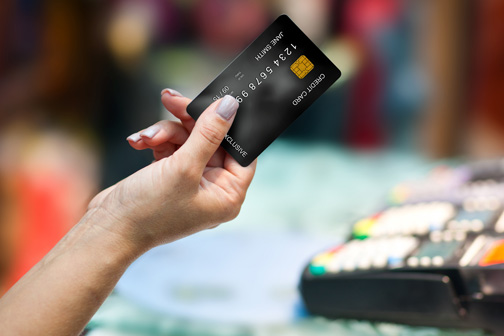
Interest-free period refers to the time period between a purchase made on the credit card and its due date. This interest-free period is provided to you as long as you pay the full outstanding amount by the due date. If you fail to do so then you incur Finance Charges also known as Credit Card Interest Rate. You can get about 50 days of interest-free period on your credit card. More details on the Interest-free period and expense management are given below.
Learn More about Finance Charges/Credit Card Interest Rate
For starter, you should know the following dates related to credit card bill payment in order to maximize the benefits of Interest-free period.
Statement Generation Date | Payment Due Date | Grace Days
On Statement Generation Date the credit card provider sends you the credit card’s bill. It contains the details of all your transactions, reward points, earned cash back, due date and so on.
This is the last date for customers to pay off their credit card bills without incurring late payment fees or finance charges. It is also the end of a billing cycle.
Some credit card providers offer grace days beyond the due date period. If you shoot past the due date but pay within the grace period then you will not be charged interest. However, these days are provided solely to accommodate the processing time of various payment methods. Therefore, you should aim to pay off your credit card bills by the due date only.
| Note: If you fail to pay off the due amount till the end of the grace period then the card provider shall report the account as past due to the Credit Information Companies. The card provider will also levy late payment charge at the end of the grace period. Also, the ‘Days Past Due’ will be calculated from the due date and not from the end of the grace period. |
Consider your credit card’s Statement Generation Date is 13th of every month and the Due Date is 1st of the subsequent month. For the illustration purposes we are considering the statement generation date in the month of July.
On 13th of July all the transactions made from 13th June till 12th July will be compiled and sent to you, with the due date being 1st August. However, the transactions made on 13th July will not be covered in this statement but rather the next one, 13th August, with the due date falling on 1st September giving you a total of 51 days of interest free period.
This timing can be very crucial for salaried employees or small business owners who want to make a big ticket purchase. By timing your big ticket purchase you can accumulate your next 2 month’s salary/pay day to pay off the amount.
On the other hand, if you do not know these dates and end up making a big ticket purchase on 12th July then you will have to pay off the amount by 1st August. As you can see this can turn into a big financial burden.
You can avail interest free period even when you convert a purchase or outstanding amount into EMI. You will incur EMI interest rates if you have not opted for the ‘No-cost EMI option’. However, you still have to pay the full outstanding amount in order to continue availing interest free period.
Suggested Read: Does It Make Sense To Convert Your Credit Card Dues Into EMIs?
If you have multiple credit cards with different due dates then you may spread your expenses across them. You may use the cards in such a manner to make sure that all the transactions take place at the beginning of their respective billing cycles.
For example, assume that you have two credit cards ‘Card A’ and ‘Card B’ with billing dates of 1st and 15th of every month respectively. For transactions occurring between 1st and 15th, use ‘Card A’ and for transactions between 16th and 31st, use ‘Card B’. This will allow you to avail the maximum possible ‘interest-free credit period’ for all transactions. However, remember that having too many credit cards may bring down your credit score. Also, ensure to keep track of multiple bill dates and due dates in order to avoid finance or late payment charges.
An important but oft-overlooked point is the significance of returns in regards to the billing cycle. Many people tend to believe that once they have made a return for an item they will not have to pay the required amount on their credit card bill, even if it says so in their statement. There could be a delay because of processing, delayed refund initiation by the seller and so on.
Let us suppose you purchased an item from an e-commerce site on 21st June and then returned the said item by 7th July. You received a message stating that your refund has been initiated and the amount will be transferred between 7 to 10 business days.
If the amount is transferred by the Statement Generation Date that is 12th of July then both the purchase amount and the refund amount will show up on your statement and nullify each other. And, you will not have to pay the amount.
However, if the refund amount is credited on or after Statement Generation date then you will have to pay the purchase amount. The refund if credited will show up as Statement Credit in the next bill and it will be adjusted against future expenses on the card.
Read More: How Credit Card Returns and Refunds Work?
At the moment Flipkart is providing a buy now pay later program to its customers called ‘Flipkart Pay Later’. This program can be used to purchase items worth up to Rs. 5,000 and get interest free period of up to 40 days. At the end of this time period, you can pay your dues using a credit card to get up to an additional 50 days of interest-free period.
There are certain scenarios under which you will not be provided interest-free period. These are:
If you withdraw cash from your credit card then you will not get interest free period on the withdrawal. In fact, you will be charged cash withdrawal charges along with credit card interest rate. This finance charge will be applicable from the day of withdrawal until the payment is made in full.
| Note Cash withdrawal is one of the costliest forms of credit available in the market. You might have to pay cash withdrawal charges and incur credit card interest rate on the withdrawal amount. Therefore, do not withdraw cash using a credit card unless absolutely necessary. |
If you pay the Minimum Amount Due which is usually 5% of the total bill amount but fail to pay the full due amount then your credit-free period will end and you will not get interest free period on new purchases.
If you fail to pay even the Minimum Amount Due by the Due Date then too you will not get interest free period on any new purchases. You will, however, incur late payment charges and might get your credit card blocked.
There are certain things that you should keep in mind as you try and utilize interest-free period on credit cards. These are:
Credit Utilization Ratio – It refers to the ratio between your expenses on the credit card and your total credit limit. To maintain a good credit score you should utilize less than 30% of your total credit limit. In fact, you should be wary of making any new purchases if you have converted a big-ticket purchase into EMI as the full amount is blocked against the credit limit which in turn significantly raises your credit utilization ratio.
Credit Score – Perhaps the most important marker of an individual when it comes to finances. Lenders use your credit score to judge your loan repayment ability. If you want to be able to apply for a loan or credit in future with a favourable interest rate then you must maintain a high credit score. You can do this by paying full outstanding amount by the due date, utilize less than 30% of your credit limit, do not apply for multiple loans or credit cards in a short duration and so on.
Read more about Credit Score and know Your Credit Score for Free. Click Here.
Available Credit Limit – When making a big-ticket purchase it is important to be aware of your available credit limit. This is crucial as many times customers make big purchases by referring only to the full credit limit extended to them by the card provider. At the time of purchase, you might not have the full credit limit extended to you even if you pay your credit card bill on time.
This can happen when you make new purchases post the statement generation. Now, when you pay your credit card bill you will be paying only the amount that was billed till the statement generation date and not of the purchases made after that.
Moreover, if you withdraw cash using your credit card then the available credit limit will be lessened by the amount withdrawn and the interest that will be levied on it every day.
So if you want to make a big purchase without having to incur over-limit charges or getting the card blocked be aware of your available credit limit.
Learn more about Credit Limit? Click here
Credit Cards are a great monetary tool which when used wisely can prove to be really beneficial especially for salaried customers. This is especially true when it comes to the interest-free period which allows you to spread your expenses over several days.

 Limited Time Offer


 with Every Card
Choose a Card Matching Your Lifestyle
Please enter a valid full name
 +91
+91
The entered number doesn't seem to be correct
